
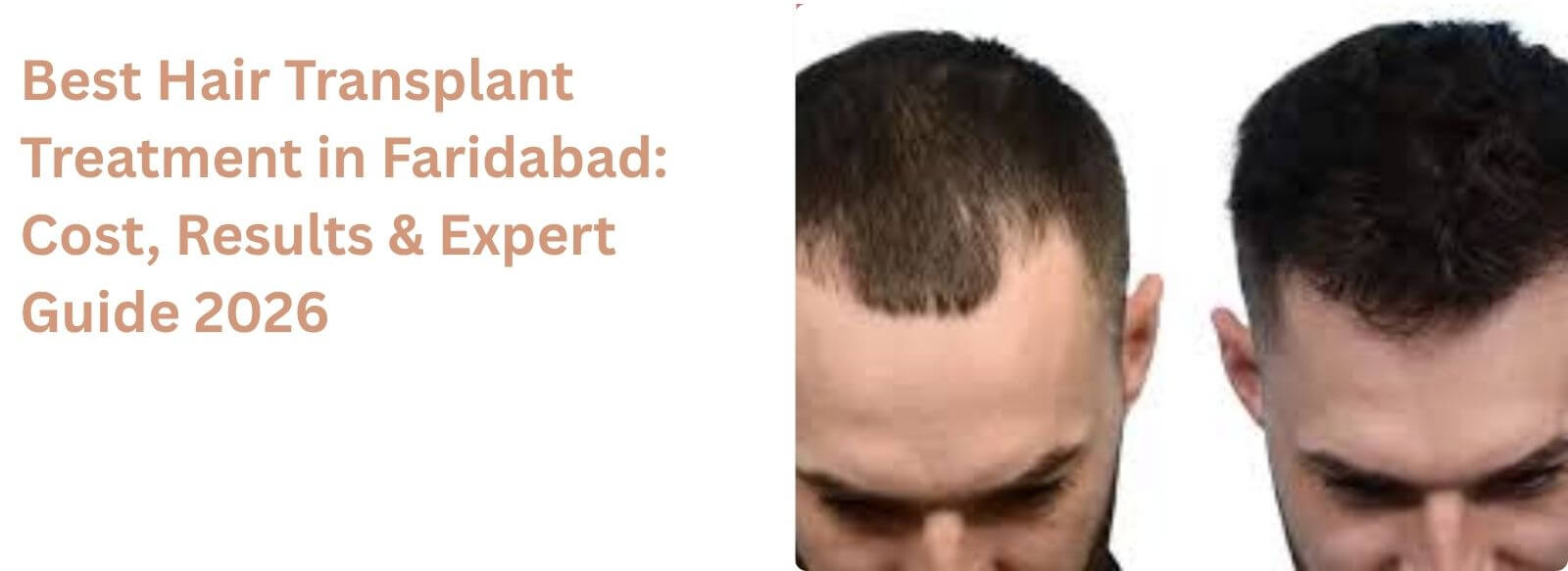
Best Hair Transplant Treatment in Faridabad: Cost, Results & Expert Guide 2026
Hair loss does not happen in a single day. It usually starts with small changes that many people ignore at first. You may notice more hair on your pillow, a receding hairline in photographs, or thinning around the crown area. Over time, these changes can affect how you feel about your appearance. Many people try expensive shampoos, oils, and home remedies, but the problem is that these options cannot bring back follicles that are permanently damaged.
A hair transplant works differently because it focuses on restoring lost hair using your own healthy follicles. But the results depend on many factors, including donor hair quality, surgical planning, and the expertise of the doctor performing the procedure. If you are considering hair transplant treatment in Faridabad, understanding the techniques, cost, recovery, and expected results can help you make a better decision.
At One Skin Clinic, Dr. Khushboo Jha, MD, a dermatologist, follows a detailed scalp evaluation approach because every person’s hair loss pattern is different. The goal is not just adding grafts but creating a natural-looking hairline that matches your facial structure and future hair needs.
What is Hair Transplant Treatment?
Hair transplant is a minimally invasive surgical procedure where healthy hair follicles are removed from the donor area and implanted into areas affected by hair thinning or baldness. The donor area is usually the back or sides of the scalp because these follicles are more resistant to common genetic hair loss patterns. Once transplanted successfully, these follicles can continue producing natural hair growth.
Many people think a hair transplant simply fills empty areas with new hair. But in reality, surgical planning plays a much bigger role. The doctor has to consider hair direction, density, existing hair pattern, and future hair loss risks. A poorly designed hairline can look unnatural, even if the number of grafts used is high.
A properly planned procedure focuses on achieving balanced coverage. Since transplanted follicles come from your own scalp, the final hair grows naturally and can be washed, styled, and trimmed like normal hair.
Who Should Consider Hair Transplant Treatment in Faridabad?
Hair transplant is not required for every type of hair loss. The first step is identifying why hair loss is happening. Some people experience temporary shedding due to stress, nutritional deficiencies, hormonal changes, or medical conditions. These cases may require medical treatment instead of surgery.
Hair transplant is generally considered for people with permanent hair loss conditions such as male-pattern baldness, female-pattern hair thinning, receding hairline, or bald patches caused by trauma or scars. The most important requirement is having a healthy donor area with enough strong follicles available for transplantation.
A consultation with a qualified dermatologist helps determine whether you are suitable for the procedure. At One Skin Clinic, Dr. Khushboo Jha evaluates scalp condition, hair density, and the progression of hair loss before recommending any treatment plan.
You may be suitable for hair transplant if you have:
- Male or female pattern baldness
- Receding hairline
- Crown area thinning
- Hair loss after injury or scalp scars
- Stable hair loss after proper diagnosis
- Sufficient donor hair density
Age also matters. Doctors usually avoid rushing into transplantation at a very young age because future hair loss patterns may not be predictable. Long-term planning helps maintain natural-looking results.
Hair Transplant Treatment Cost in Faridabad 2026
One of the most common questions patients ask is about hair transplant treatment cost. The answer depends on several factors because every person’s hair loss level is different. A person with early hairline recession may need fewer grafts, while someone with advanced crown and frontal baldness may require a larger number of grafts.
Most professional clinics calculate cost based on the number of grafts required. A graft is a small group of hair follicles containing around one to four hairs. The total graft requirement depends on your baldness stage, donor area availability, and desired density.
The technique selected also affects pricing. Advanced procedures usually require specialized tools, longer surgical planning, and experienced handling.
Hair Transplant Cost Per Graft in Faridabad
| Hair Transplant Technique | Approximate Cost Per Graft |
| FUT (Strip Method) | ₹25 – ₹50 per graft |
| Standard FUE | ₹30 – ₹70 per graft |
| Advanced DHT / Sapphire FUE | ₹50 – ₹110 per graft |
Estimated Hair Transplant Cost According to Graft Requirement
| Grafts Needed | Treatment Area | Estimated Price Range | Average Procedure Time |
| 1,000 to 1,500 grafts | Early receding hairline or temple filling | ₹30,000 – ₹55,000 | 4–5 Hours |
| 2,000 to 2,500 grafts | Frontal thinning and hairline restoration | ₹55,000 – ₹85,000 | 6–7 Hours |
| 3,000 to 3,500+ grafts | Extensive crown and frontal baldness | ₹90,000 – ₹1,30,000+ | 8–10 Hours or 2 Days |
The final quotation should always be discussed after scalp assessment. A clinic offering a fixed price without checking your hair loss pattern may not consider important details like donor strength or future thinning.
Before confirming your procedure, ask whether your package includes additional expenses such as local anesthesia, pre-operative blood tests, medicines, follow-up visits, and recommended PRP sessions.
What Factors Affect Hair Transplant Cost?
The cost of a hair transplant depends on more than the number of grafts. Choosing a procedure only based on price can create problems later because hair restoration requires precision and long-term planning.
Number of Grafts Required
The number of grafts is one of the biggest cost factors. Early-stage hair loss usually requires fewer grafts, which keeps the treatment cost lower. Advanced baldness requires more coverage, increasing both procedure time and overall expense.
A skilled doctor does not simply increase graft numbers. The focus is on using available donor hair wisely because donor follicles are limited.
Hair Transplant Technique
Different techniques have different pricing structures. FUT is generally more affordable because the extraction method is different. FUE, DHT, and Sapphire FUE involve more detailed follicle handling and specialised equipment.
The right technique depends on your scalp condition, lifestyle needs, and expected outcome.
Doctor’s Experience
Hair transplant is a procedure where surgical judgment matters. Hairline design, graft placement angle, and density planning influence how natural the final result appears.
Choosing an experienced dermatologist helps reduce the risk of unnatural hairlines, poor graft placement, or uneven density.
Clinic Standards
The clinic environment, sterilization process, equipment quality, and post-procedure support also influence pricing. A reliable clinic focuses on safety and proper surgical protocols instead of only offering discounted packages.
When searching for the best hair transplant in Faridabad, look beyond advertisements. Check the doctor’s qualifications, consultation approach, and treatment planning process.
Advanced Hair Transplant Techniques Available in Faridabad
Hair transplant technology has changed significantly over the years. Earlier methods focused mainly on covering bald areas, but modern techniques focus on natural hair direction, better graft survival, and minimal visible marks. The right technique depends on your hair loss pattern, donor area quality, and the type of result you want.
Many patients ask which technique is the best. The answer is not the same for everyone. Since every scalp has different requirements, a dermatologist first evaluates your hair density, follicle strength, and future hair loss risk before selecting a procedure.
At One Skin Clinic, Dr. Khushboo Jha, MD, dermatologist, recommends treatment only after understanding the complete hair loss pattern. This approach helps create results that look natural rather than simply increasing the number of grafts.
Follicular Unit Extraction (FUE) Hair Transplant
Follicular Unit Extraction, commonly called FUE, is one of the most widely used hair transplant techniques today. In this procedure, individual hair follicles are removed from the donor area using a specialized micro-punch tool. These follicles are then carefully implanted into areas where hair growth is needed.
The biggest advantage of FUE is that it does not involve removing a strip of scalp. Instead, it leaves tiny dot-like marks that usually become difficult to notice after healing. Because of this, many people prefer FUE if they like keeping shorter hairstyles.
FUE requires careful handling because each extracted follicle needs to remain healthy before implantation. The survival of these grafts depends on extraction quality, storage conditions, and implantation technique.
Why patients choose FUE:
- No long linear scar
- Suitable for short hairstyles
- Individual follicle placement
- Faster recovery compared to traditional methods
- Natural-looking hairline creation
Direct Hair Transplantation (DHT)
Direct Hair Transplantation (DHT) is a modified form of follicular extraction where extracted follicles are implanted immediately using specialized implantation devices. The technique focuses on reducing the time that follicles remain outside the scalp.
Hair follicles are delicate structures. Longer exposure outside the body can affect their survival. Since DHT reduces handling time, it helps maintain better control during the implantation process.
This technique is often selected when patients want detailed hairline work or controlled placement. The final appearance still depends on the surgeon’s experience because the correct angle, direction, and spacing determine how natural the hair looks.
Possible advantages of DHT include:
- Controlled follicle placement
- Reduced graft handling time
- Detailed hairline designing
- Better control over hair direction
Sapphire FUE Hair Transplant
Sapphire FUE is an advanced version of the FUE technique. In this method, blades made from synthetic sapphire material are used to create recipient channels instead of traditional steel blades.
The purpose of these specialised blades is to create precise openings with minimal tissue disturbance. Smaller and cleaner incisions may support faster healing and reduced scabbing during recovery.
But in reality, the blade alone does not decide the success of a transplant. Surgical planning and the doctor’s expertise remain the most important factors behind natural results.
Sapphire FUE may offer:
- Precise recipient channel creation
- Less tissue trauma
- Reduced scabbing
- Faster healing process
- Better control during implantation
Follicular Unit Transplantation (FUT)
Follicular Unit Transplantation, known as FUT or the strip method, is one of the older hair restoration techniques. In this procedure, a thin strip of scalp containing healthy follicles is removed from the donor area. Individual grafts are then separated and implanted into bald areas.
FUT can provide a large number of grafts in a single session. This makes it useful for selected patients who require extensive coverage.
The limitation is that FUT leaves a linear scar in the donor area. Patients who prefer very short hairstyles may not choose this method because the scar can become visible.
A dermatologist evaluates your lifestyle, donor capacity, and restoration goals before suggesting FUT or another technique.
How is Hair Transplant Treatment Performed?
Many patients feel nervous before their first consultation because they are unsure about the procedure. Understanding the steps can make the process easier.
A hair transplant is usually completed in multiple stages. The procedure length depends on the number of grafts required. Smaller sessions may take around 4–5 hours, while larger procedures involving thousands of grafts can take 8–10 hours or may continue over two days.
The treatment is performed under local anesthesia, which helps keep the procedure comfortable while allowing the patient to remain awake.
Step 1: Consultation and Hair Loss Assessment
The procedure starts with a detailed consultation. The doctor examines your scalp, identifies the reason behind hair loss, and evaluates the donor area.
During this stage, important decisions are made, including:
- Number of grafts required
- Hairline design
- Suitable transplant technique
- Expected density
- Long-term hair loss management
A proper diagnosis matters because transplanting hair without understanding future hair loss can affect the overall appearance later.
Step 2: Donor Area Preparation and Extraction
On the procedure day, the donor area is prepared carefully. Local anesthesia is applied to reduce discomfort during extraction.
The doctor removes healthy follicles from the donor area using the selected technique. These grafts are handled carefully because damaged follicles may reduce the final survival rate.
Proper extraction requires precision. Removing too many follicles from one area can create uneven donor density.
Step 3: Recipient Area Design and Implantation
After extraction, tiny channels are created in the recipient area where hair growth is needed. The direction and angle of these channels decide how natural the final hair looks.
The extracted follicles are then implanted carefully into these openings.
A natural result depends on multiple details, including:
- Hair direction
- Graft spacing
- Hairline shape
- Density distribution
This is why choosing an experienced hair transplant specialist matters.
Hair Transplant Recovery: What Happens After Surgery?
Recovery after a hair transplant is usually gradual. Many patients expect immediate results, but transplanted follicles follow a natural growth cycle.
The scalp needs time to heal after extraction and implantation. Following post-treatment instructions helps protect grafts during this important phase.
Most patients can return to normal activities within a few days, but complete hair growth takes several months.
Hair Transplant Results Timeline: Month-by-Month Guide
Weeks 1 to 3: Healing and Scalp Recovery
During the first few weeks, small scabs, redness, and mild swelling may appear around the transplanted area. These changes are part of normal healing.
The transplanted area needs gentle care during this period. Patients are usually advised to follow specific washing instructions and avoid unnecessary pressure on the scalp.
The tiny scabs generally start falling naturally around day 10.
Weeks 4 to 8: Temporary Hair Shedding Phase
Many patients become worried during this stage because transplanted hair shafts begin falling.
Around 70–80% of newly transplanted hair shafts may shed during this period. This process is called shock alopecia.
The important point is that the follicles remain inside the scalp. New growth starts after the resting phase is completed.
Months 3 to 4: Early Hair Growth Begins
After the resting period, new hair starts emerging from the transplanted follicles.
The initial growth may appear thin, uneven, or softer than expected. This is normal because the follicles are still developing.
Patience is important during this stage because visible density takes time.
Months 6 to 9: Noticeable Density Development
During this phase, the hair shafts become thicker and stronger. The transplanted hair begins blending more naturally with existing hair.
Around 70–80% of the final visible density may develop during this period.
Many patients notice a clear improvement in their appearance during these months.
Month 12: Final Hair Transplant Result
The final result is usually visible around 12 months after the procedure.
At this stage, patients can see:
- Mature hair thickness
- Natural hairline shape
- Better overall density
- Improved styling options
Transplanted hair can be maintained like normal hair. It can be washed, trimmed, and styled according to personal preference.
What Are the Possible Side Effects of Hair Transplant?
Hair transplant is considered a safe procedure when performed by a qualified doctor. But like any surgical treatment, some temporary side effects can occur during the healing period. Knowing what to expect helps patients stay calm and follow the right aftercare routine.
Common effects after the procedure include redness, mild swelling, itching, tenderness, and small scabs around the transplanted area. These usually improve as the scalp heals. The recovery experience can vary depending on the number of grafts placed, the technique used, and how carefully post-treatment instructions are followed.
The risk of complications can be reduced when the procedure is performed in a medically supervised environment. Since hair transplantation involves handling delicate follicles, choosing an experienced dermatologist is important for protecting graft quality and achieving natural results.
Common Temporary Effects After Hair Transplant
Some patients may experience:
- Mild scalp redness
- Swelling around the forehead area
- Small scabs near implanted follicles
- Temporary itching
- Tightness or sensitivity in the scalp
- Temporary shedding of transplanted hair
These changes are usually part of normal recovery. Patients should avoid scratching or disturbing the implanted area because newly placed grafts need time to settle.
How to Choose the Best Hair Transplant Clinic in Faridabad?
Searching for the best hair transplant in Faridabad can feel confusing because many clinics advertise similar results. But a successful transplant depends on much more than attractive before-and-after images or low pricing.
The right clinic should focus on diagnosis, planning, and surgical precision. Since every person’s hair loss pattern is different, a doctor should first understand the cause of hair loss before suggesting transplantation.
A good consultation should include an examination of your scalp, a discussion about your expectations, and a realistic explanation of the expected outcome. A responsible doctor will also explain limitations because donor hair availability is not unlimited.
Before selecting a clinic, consider these points:
Check Doctor’s Qualifications and Experience
Hair transplant is a medical procedure that requires detailed knowledge of scalp anatomy, hair growth patterns, and surgical techniques. Always confirm who will perform or supervise the procedure.
The doctor should be involved in important steps like hairline planning, graft evaluation, and implantation strategy.
At One Skin Clinic, Dr. Khushboo Jha, MD, Dermatologist, focuses on personalised assessment because treatment planning should be based on your individual hair loss condition.
Do Not Select a Clinic Only Based on Price
A lower price may look attractive initially, but hair transplant results depend on precision and proper technique. Poor graft handling, unnatural hairline design, or excessive extraction can create problems that are difficult to correct later.
A reliable clinic explains the complete procedure, expected results, recovery period, and possible limitations before treatment.
The goal should be natural and long-lasting results, not simply a high number of grafts.
Ask About Surgical Safety Standards
Before booking, ask about hygiene practices, sterilisation methods, and surgical protocols.
Important questions include:
- Are the surgical tools properly sterilised?
- Who performs the extraction and implantation?
- How are grafts stored before placement?
- What follow-up care is provided after surgery?
These questions help you understand the clinic’s approach toward patient safety.
Important Questions to Ask Your Hair Transplant Doctor
A consultation is the right time to clear your doubts. Many patients focus only on cost, but asking the right questions can help you understand the procedure better.
“Who Will Perform the Main Surgical Steps?”
Ask whether the doctor will personally handle important parts of the procedure or whether everything is delegated to technicians.
Hairline design, extraction planning, and implantation direction require medical expertise because these details affect the final appearance.
“How Many Grafts Do I Actually Need?”
More grafts do not always mean better results.
A skilled doctor calculates graft requirements based on your current baldness level, donor availability, and future hair loss pattern. Using too many grafts unnecessarily can reduce donor area availability for future needs.
“What Happens If Results Are Below Expectations?”
A professional clinic should explain realistic outcomes before surgery.
Hair transplant results depend on multiple biological factors, including follicle survival and individual healing response. Understanding expectations before treatment prevents disappointment later.
“What Is Included in the Treatment Package?”
Always confirm what your package covers.
Ask about:
- Consultation charges
- Procedure cost
- Medicines
- Follow-up appointments
- Recommended supportive treatments
Clear communication helps avoid unexpected expenses later.
Is Hair Transplant a Permanent Solution?
Many patients choose hair transplant because they want a long-term solution for baldness. Transplanted follicles can provide lasting growth because they are usually taken from areas that are resistant to genetic hair loss.
But a hair transplant does not stop every future hair change. Existing non-transplanted hair can continue thinning if the underlying cause is not managed.
This is why a complete hair restoration plan often includes both transplantation and medical guidance when required.
The aim is maintaining a balanced appearance over time.
Why One Skin Clinic for Hair Transplant in Faridabad?
Hair restoration requires careful planning because every patient’s hair loss journey is different. At One Skin Clinic, the focus starts with understanding the reason behind hair loss before selecting any procedure.
Dr. Khushboo Jha, MD, a dermatologist in faridabad , evaluates factors such as scalp health, donor hair quality, hair loss progression, and expected outcomes before creating a treatment plan.
The clinic focuses on:
- Detailed scalp assessment
- Natural hairline planning
- Suitable technique selection
- Safe surgical practices
- Patient-specific guidance
Since successful hair restoration is not only about adding follicles, the approach focuses on creating results that look natural and fit the patient’s overall appearance.
Book Consultation for Hair Transplant in Faridabad
Hair loss can slowly affect confidence and daily life. But choosing treatment without proper evaluation can create unnecessary risks.
A successful hair transplant starts with the right diagnosis, realistic expectations, and an experienced medical team.
If you are looking for hair transplant treatment in Faridabad, consult Dr. Khushboo Jha, MD, dermatologist, at One Skin Clinic for a detailed hair and scalp assessment.
Whether you are dealing with a receding hairline, thinning hair, or advanced baldness, understanding your options is the first step toward making an informed decision.
Book your consultation with One Skin Clinic today and discuss your personalised hair restoration plan.