
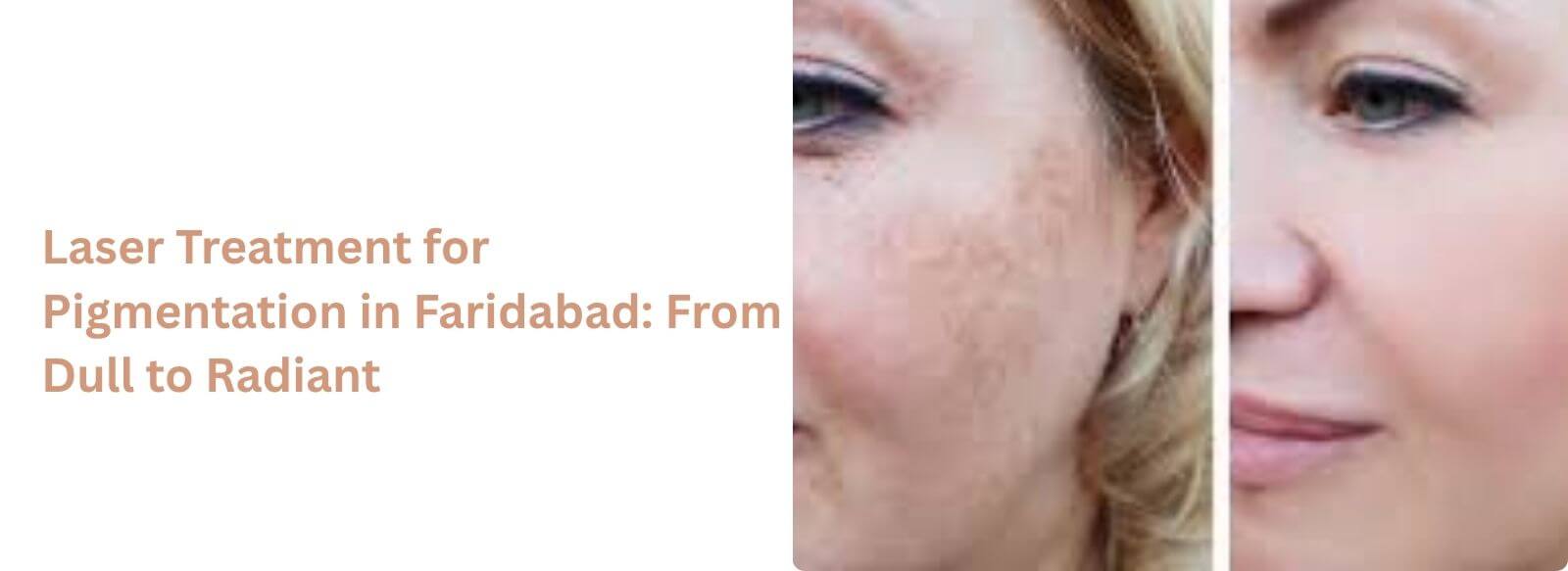
Laser Treatment for Pigmentation in Faridabad: From Dull to Radiant
Have you ever looked in the mirror and thought why those dark patches simply refuse to fade? You try brightening creams. You switch skincare products. You spend money on facials. Yet the pigmentation remains as if it were on day 1. In fact, nearly 60% of people struggling with pigmentation use more than five different skincare products before seeking professional treatment. Most eventually discover the same thing. Surface-level treatments can only do so much when the actual pigment lies deeper within the skin.
Faridabad’s climate makes the problem even more challenging. The combination of intense summer heat, prolonged UV exposure, pollution, and dry winter conditions creates continuous stress for the skin. Over time, this can trigger sunspots, melasma, post-acne pigmentation, tanning, and uneven skin tone. Many people continue using over-the-counter products hoping for quick results, but pigmentation often requires a more targeted medical approach. This is where laser treatment for pigmentation becomes an important option for patients seeking long-term improvement rather than temporary camouflage.
What Causes Pigmentation on the Skin?
Pigmentation develops when melanocytes, the skin’s pigment-producing cells, start producing excess melanin. Melanin is responsible for giving skin its natural color. When production becomes uneven, dark patches begin to appear.
Several factors can trigger this process:
- Excessive sun exposure and UV damage
- Hormonal fluctuations and melasma
- Acne scars and post-inflammatory hyperpigmentation
- Ageing-related pigmentation
- Genetic predisposition
- Skin irritation from harsh products
- Pregnancy-related pigmentation
- PCOS-associated hormonal changes
The location and depth of pigmentation can vary significantly. Some spots remain close to the skin surface, while others settle deep within the dermis. Because of this variation, two people with similar-looking pigmentation may require completely different treatment plans.
Why Do Most Pigmentation Creams Stop Working?
Many patients visit a skin clinic in Faridabad after months or even years of experimenting with skincare products. The frustration is understandable. Most brightening creams only target superficial pigment deposits. They may temporarily reduce the appearance of dark spots but often fail to address deeper melanin accumulation.
Here is the catch. Pigmentation is not always a surface problem.
Since many forms of pigmentation develop within deeper skin layers, topical products cannot penetrate far enough to remove the root cause. As a result, pigmentation often returns after treatment is discontinued. This cycle leaves many patients feeling disappointed despite investing considerable time and money.
That is why experienced dermatologists frequently recommend laser treatment for pigmentation when conservative approaches have failed.
How Laser Treatment for Pigmentation Works
Advanced pigmentation lasers work using a principle called selective photothermolysis (targeted pigment-destroying light technology). The laser emits highly specific wavelengths that pass through healthy skin while focusing on excess melanin deposits.
When the pigment absorbs this energy, it breaks into microscopic particles. These tiny pigment fragments are then naturally removed by the body’s lymphatic system over the following weeks. Since the surrounding skin remains largely unaffected, treatment can be performed with a high level of precision.
The benefit is simple. Instead of attempting to bleach the skin, the laser targets unwanted pigment directly.
This makes laser treatment for pigmentation particularly useful for conditions such as:
- Melasma
- Sunspots
- Freckles
- Age spots
- Acne pigmentation
- Uneven skin tone
- Post-inflammatory hyperpigmentation
- Facial pigmentation caused by sun damage
Which Laser Technologies Are Available in Faridabad?
Not all pigmentation concerns require the same technology. A qualified dermatologist in Faridabad will evaluate the type, depth, and cause of pigmentation before selecting the most appropriate device.
| Laser Technology | Best For | Estimated Cost Per Session |
| Q-Switched Nd:YAG Laser | Sunspots, acne marks, freckles | ₹4,000 – ₹8,500 |
| Picosecond Laser | Deep pigmentation, melasma | ₹7,000 – ₹14,000 |
| Laser Toning | Skin brightening, tanning, mild pigmentation | ₹3,500 – ₹6,000 |
The Q-switched Nd:YAG laser remains one of the most commonly recommended options for Indian skin. Because it offers dual wavelengths, it can target both superficial and deeper pigment deposits. Picosecond technology represents a newer generation of treatment. Since it relies more on pressure waves than heat, it can be particularly useful for stubborn pigmentation and resistant melasma cases.
Laser toning has also gained popularity among patients seeking overall skin brightening. It offers gradual improvement with minimal downtime, making it suitable for individuals with busy schedules.
What Happens During the Treatment Process?
Most patients are surprised by how straightforward the procedure actually is. Treatment typically begins with a detailed consultation at a reputable skincare clinic in Faridabad. During this assessment, the dermatologist examines your skin type, pigmentation depth, medical history, and previous treatments.
A customized treatment plan is then created.
The actual laser session usually lasts between 15 and 45 minutes. Patients often describe the sensation as mild snapping or warmth against the skin. Discomfort is generally manageable, and many advanced devices incorporate cooling systems for additional comfort.
Following treatment, mild redness may occur for a short period. Some deeper pigmented spots can temporarily darken before naturally fading. This response is expected and often indicates that the pigment is breaking down successfully.
Special Considerations for Melasma Patients
Melasma deserves special attention because it behaves differently from other pigmentation disorders. It commonly appears as symmetrical brown patches across the cheeks, forehead, and upper lip. Hormonal fluctuations, sun exposure, pregnancy, and genetic factors all contribute to its development.
Indian skin contains a higher concentration of active melanocytes. Because of this, aggressive heat-based treatments can occasionally trigger post-inflammatory hyperpigmentation (pigmentation caused by skin irritation) if performed incorrectly.
For this reason, many experienced specialists prefer low-energy laser toning protocols or advanced picosecond technologies for melasma management. The goal is to reduce pigment safely without stimulating additional melanin production.
How Many Sessions Are Usually Required?
One of the most common questions patients ask is how quickly results become visible.
The answer depends on the depth and severity of pigmentation.
Most patients begin noticing improvement after two or three sessions. Deeper pigmentation typically requires three to five sessions spaced approximately four weeks apart. Laser toning treatments may require four to six sessions for optimal skin brightening and tone correction.
Pigmentation fades gradually rather than overnight. This slow improvement often creates more natural-looking results and reduces the risk of uneven skin lightening.
Pigmentation Treatment Cost in Faridabad
The pigmentation treatment cost in Faridabad depends on multiple factors, including the type of pigmentation, treatment area, laser technology selected, and the total number of sessions required.
Patients should avoid choosing a clinic based solely on package pricing. Lower prices may not always reflect the quality of equipment, diagnostic accuracy, or practitioner experience. A proper consultation with a qualified skin doctor in Faridabad provides a more accurate treatment estimate based on individual skin concerns.
How to Maintain Results After Laser Treatment?
Laser treatment removes existing pigment. It does not prevent future pigmentation triggers. Long-term success depends heavily on maintenance and sun protection.
Patients are generally advised to:
- Use broad-spectrum SPF 50+ sunscreen daily
- Reapply sunscreen every three hours when outdoors
- Avoid direct sun exposure during peak hours
- Pause retinol and strong exfoliants around treatment sessions
- Address hormonal conditions such as PCOS or thyroid disorders
- Follow dermatologist-prescribed skincare routines
Since UV exposure remains one of the biggest causes of recurring pigmentation, sunscreen often becomes the most important part of long-term maintenance.
When Should You Consult a Dermatologist?
If your pigmentation continues to worsen despite skincare products, it may be time to seek professional evaluation. Persistent melasma, acne marks lasting several months, recurring sunspots, and uneven skin tone often respond better to medical treatments than cosmetic products.
A consultation with a trusted dermatologist in Faridabad can help identify the underlying cause and determine whether laser treatment for pigmentation is appropriate for your skin type and condition.
Why Choose One Skin Clinic for Laser Treatment for Pigmentation?
Successful pigmentation treatment begins with accurate diagnosis. At One Skin Clinic, every treatment plan is customized according to skin type, pigmentation depth, lifestyle factors, and long-term goals. Since no two pigmentation cases are identical, laser selection and treatment parameters are tailored rather than standardized.
Patients searching for pigmentation removal treatment in Faridabad, melasma treatment in Faridabad, laser skin brightening treatment, acne pigmentation removal, sunspot removal laser treatment, skin rejuvenation treatment in Faridabad, or a trusted skin clinic in Faridabad often benefit from an expert evaluation before beginning treatment.
Clear skin is rarely about finding another cream.
It is about identifying the cause, choosing the right treatment, and following a plan that addresses pigmentation at its source. With the right diagnosis and professionally performed laser treatment for pigmentation, achieving a brighter, more even complexion becomes a realistic goal rather than an endless experiment.